For families
A short way in for families
A few official facts that are easy to share, a couple of questions to ask, and a quiz when you are ready.
Things worth knowing
- Bonfire Night is 5 November, and a 1606 Act made church services on that day an annual event.
- The plot was to blow up Parliament with 36 barrels of gunpowder, hidden in an undercroft under the House of Lords.
- Official pages name Robert Catesby as the mastermind. Guy Fawkes was the gunpowder expert, and is the name most people remember.
- He used the name John Johnson, and later signed a confession as Guido.
- Official pages do not all use the same hours for the discovery on 4 and 5 November. This site tells each official version, and names the source.
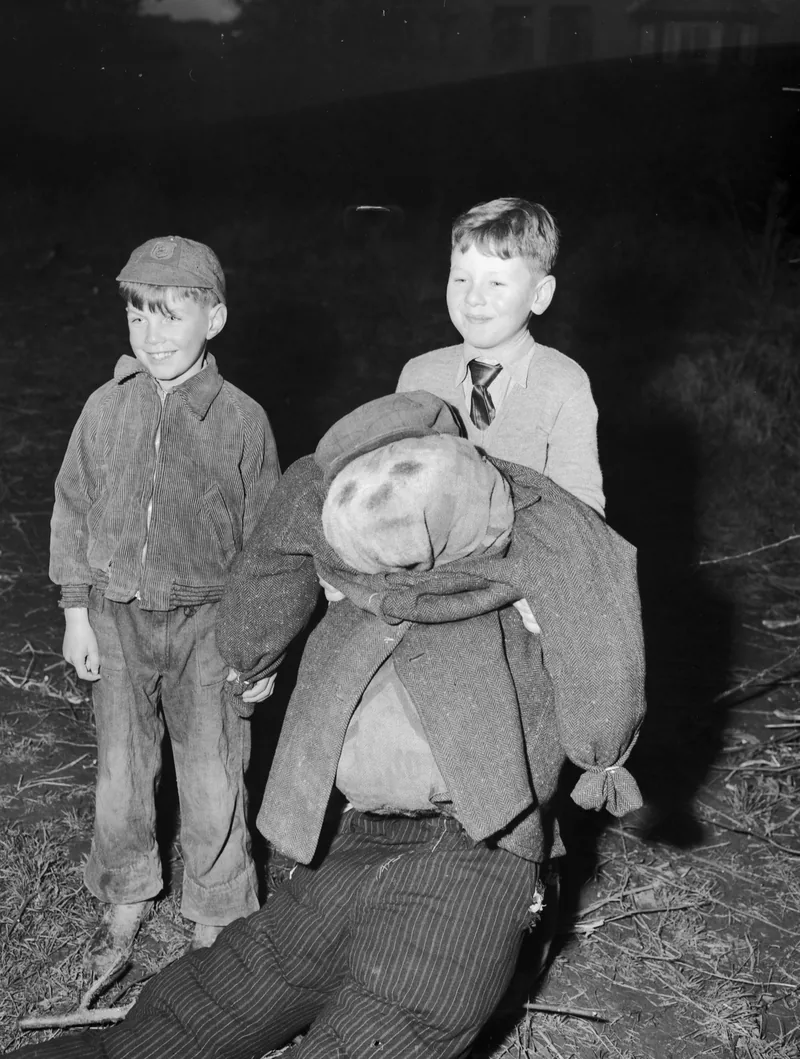
- The figure on the bonfire was first, in 1673, an effigy of the Pope. The familiar Guy Fawkes figure came in the 1800s.
- English Heritage says today’s celebrations are stripped of their anti-Catholic sentiment: fireworks, a bonfire, and revelry take centre stage.
- After the discovery, official pages describe a last stand and a trial. Parliament says four were killed in a shoot-out and eight were convicted. English Heritage names Holbeach House in Staffordshire.
Questions to ask each other
- Why might official pages remember Catesby as the mastermind, and popular memory remember Fawkes?
- Why is it more honest to tell two official sequences for one night than to pick a single hour?
- What changed, between a Pope on the fire in 1673 and a Guy Fawkes effigy in the 1800s?
- If a museum object is only “reported to be” someone’s lantern, how should a caption be written?
When you are ready, try the quiz or the timeline. There are also free fact sheets you can print.
Keep exploring
Enjoyed Bonfire Night?
No pop-ups. No intrusive advertising. Just interesting stuff. A little support helps the next traditions site get built.