traditions.im
The fifth of November, a cellar of gunpowder, and a Guy who was not always Guy Fawkes
Bonfire Night remembers a plot in 1605. Official pages do not tell only one story of that night, and the figure on the fire was not always the man who was caught.
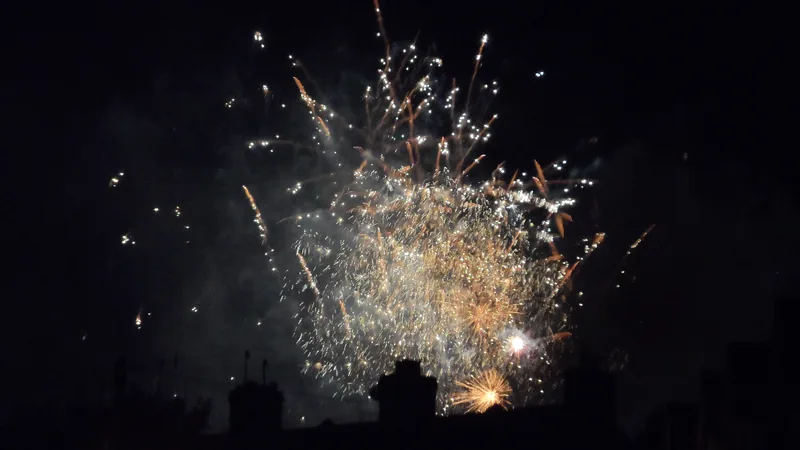
UK Parliament still commemorates the Gunpowder Plot on Bonfire Night, 5 November. English Heritage says Guy Fawkes’s role was to light the fuse, detonating 36 barrels of gunpowder, and that the charismatic mastermind behind it all was Robert Catesby. Parliament’s people page calls Fawkes “the gunpowder expert,” caught red-handed in the basement storeroom under the House of Lords. [source] [source] [source]
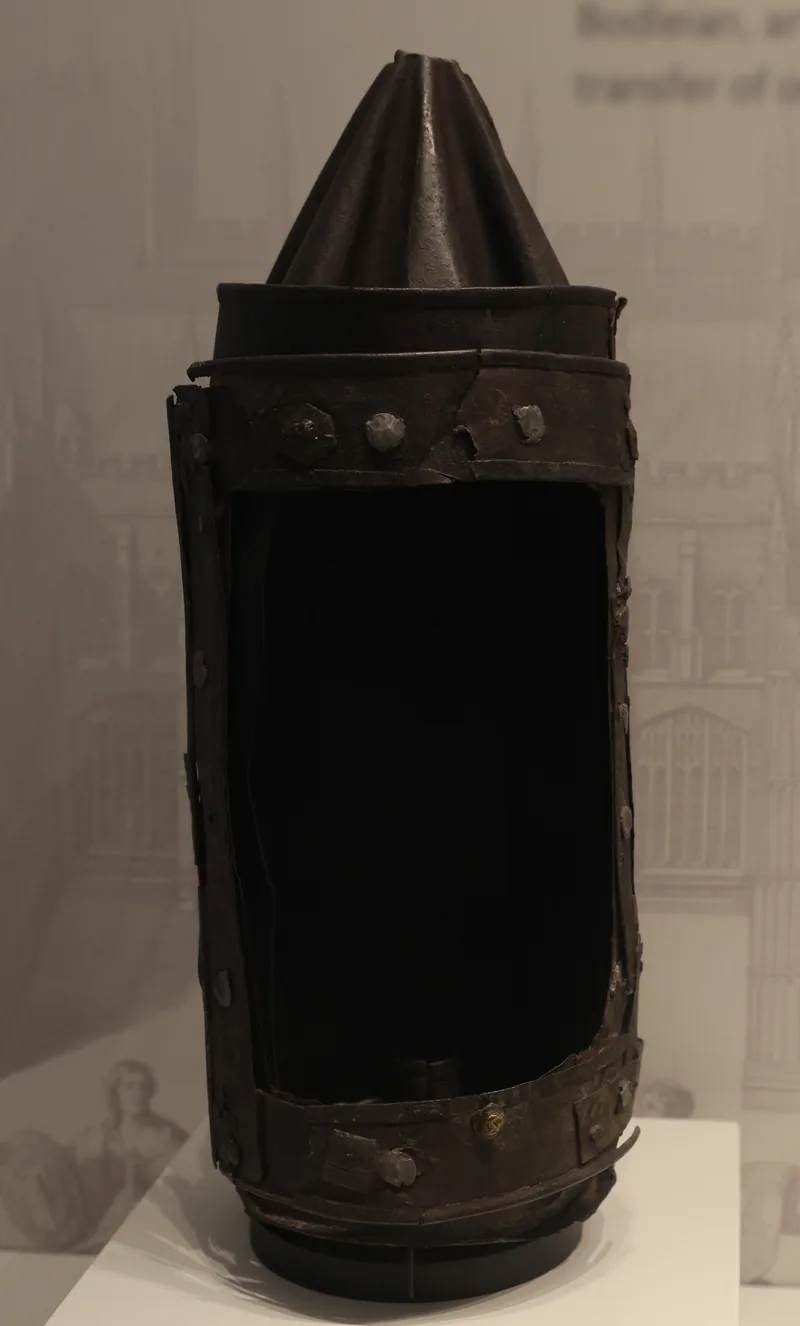
The night itself is told in more than one official sequence. Parliament’s Journal page says that on the evening of 4 November 1605, Sir Thomas Knyvett and Edward Doubleday “found Guy Fawkes and his gunpowder.” English Heritage says Fawkes was discovered on the 4th with a suspicious amount of firewood, and that the gunpowder was found in the early hours of the 5th. Both accounts are given on this site, each with its source. [source] [source]
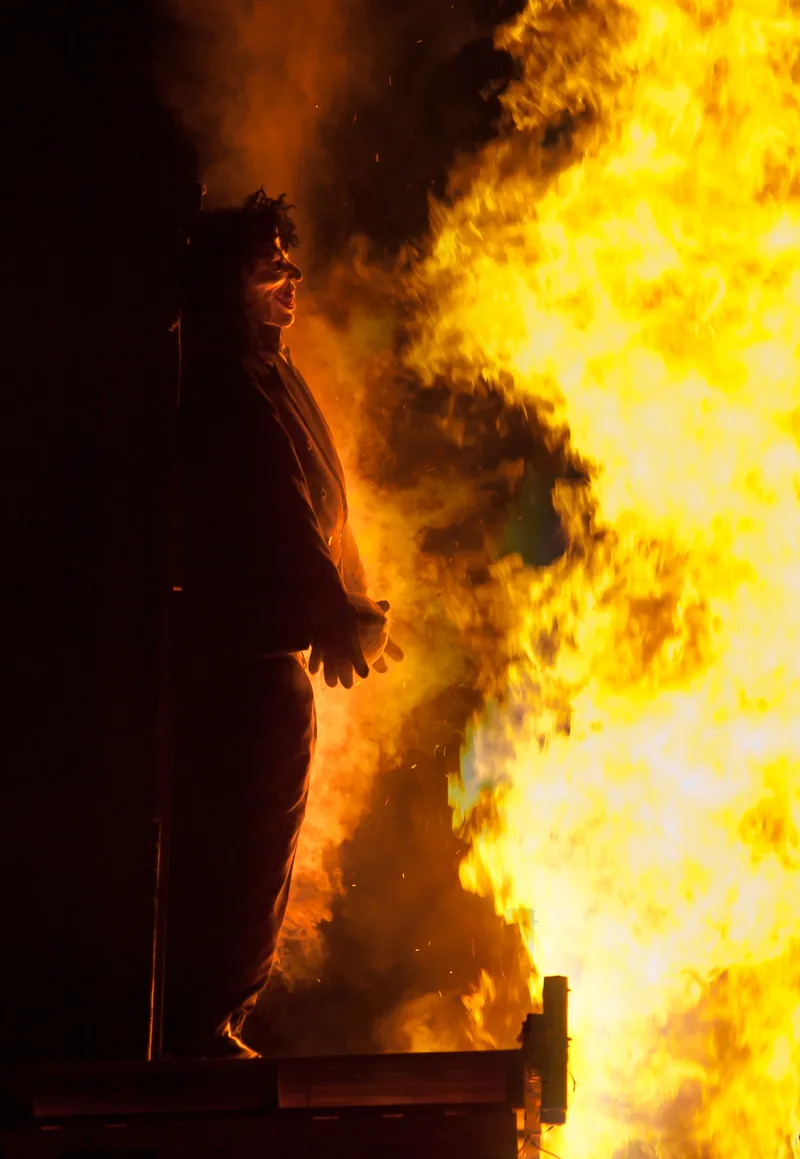
The fire itself has a history. English Heritage says that in 1673 crowds began parading an effigy, “initially in the form of the Pope,” and that only in the 1800s did the figure become “the familiar Guy Fawkes of today.” “These days, Bonfire Night celebrations are stripped of their anti-Catholic sentiment.” Fireworks, a bonfire, and revelry take centre stage. [source]
The days after the discovery have official wording of their own. Parliament’s aftermath page says four conspirators were killed in a shoot-out and the remaining eight were convicted of treason. English Heritage names a last stand by eight plotters against 200 men at Holbeach House in Staffordshire. A 1606 Act then made services on 5 November an annual event. This site tells those official sentences as they were written, and keeps a “may” where an official page uses one. [source] [source]
Where to start
- The plot Catesby, Fawkes, 36 barrels, and a letter about a terrible blow.
- The fifth of November A desk of official stories, from 1606 to a Guy on the fire.
- The night of 4 and 5 November Two official sequences, not forced into one.
- Discoveries A lantern reported to be Fawkes’s, a 1954 bonfire in Chirk, and a Pope on the fire in 1673.
- Facts A long file of official dates, names and photograph notes.
- Myths versus facts What people assume, and what the official pages actually say.
- A quiz and a timeline Test yourself on the plot, the letter, and the Guy.
- Free fact sheets Three typographic PDFs, in A4 and Letter, with no photographs inside.
Enjoyed Bonfire Night?
No pop-ups. No intrusive advertising. Just interesting stuff. A little support helps the next traditions site get built.