Discoveries
Things you might not know about Bonfire Night
A mastermind who is not the celebrity, a Guy who was first the Pope, a letter that only “may have been” from Tresham, and official pages that do not agree on the hour.
Catesby, not Fawkes, is named as the mastermind
English Heritage calls Robert Catesby “the charismatic mastermind behind it all,” “a devout Catholic, invested in converting England from Protestant to Catholicism,” and a participant in the failed 1601 Essex rebellion. UK Parliament’s people page uses the same word, “mastermind.” [source] [source]
Fawkes was recruited as the gunpowder expert
That is Parliament’s wording. English Heritage says his role was to light the fuse, and that he signed his confession as Guido, the Italianised form of his name adopted while fighting for Spain. [source] [source]
There were thirteen plotters, including a servant
English Heritage says the participants were “predominantly members of the gentry,” but that Thomas Bates “stumbled across the plot and took their number to a rather ominous thirteen.” [source]
The undercroft became available in March 1605
English Heritage says the Lords, at the time, met in a room “originally built in the 13th Century as the Queen’s bed-chamber,” and that “minimal security” followed from a mismatch of rooms, apartments, shops and taverns. The plotters “found gunpowder easy to obtain due to the end of the war with Spain,” and Fawkes assumed the name John Johnson. [source]
The official number of barrels is 36
English Heritage and the Commons Journal page both give that figure. The Journal’s Clerk, Ralph Ewens, wrote of “36 barrels of gunpowder in the vault under the House, with a purpose to blow King and the whole Company.” [source] [source]
The Journal names “Johnson, servant to Mr Thomas Percye”
That is the wording in the marginal note recorded for the morning of 5 November, in a manuscript dated 5 November 1605 and catalogued as Parliamentary Archives, HC/CL/JO/1/5. [source]
Official pages do not use the same hours for the discovery
The Journal page puts Knyvett and Doubleday on the evening of the 4th, finding Fawkes and his gunpowder. English Heritage puts firewood on the 4th and gunpowder in the early hours of the 5th. A people page dates the basement arrest to 5 November. All three wordings are given on this site. [source] [source] [source]
The Monteagle letter is not officially pinned on Tresham
English Heritage quotes “they shall receive a terrible blow,” and says Monteagle took the letter to the Earl of Salisbury. It does not name the author as certain. Parliament says “it may have been Tresham.” [source] [source]
Thomas Winter tried to get them to abandon the plot
Parliament’s people page says he “was among the first to be drawn into the plot,” and that “it was Thomas who tried to get the conspirators to abandon the plot when he realised that it had been discovered.” [source]
A 1606 Act made 5 November an annual service
Parliament names the Thanksgiving Act of 1606. English Heritage says church services became mandatory that year, and that other celebrations followed: bonfires, puppet shows, and official artillery salutes. [source] [source]
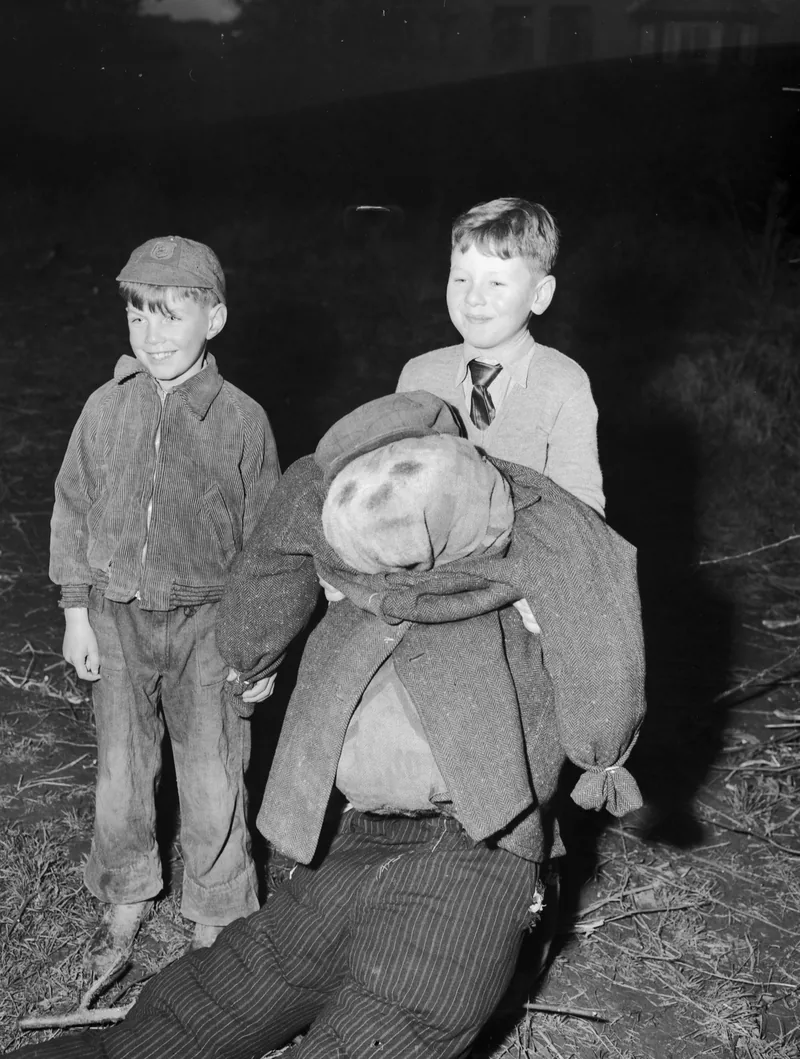
The first effigy was the Pope
English Heritage dates that practice to 1673, and the familiar Guy Fawkes figure to the 1800s. [source]
Modern official wording says the anti-Catholic sentiment has been stripped away
“These days, Bonfire Night celebrations are stripped of their anti-Catholic sentiment.” That is English Heritage’s sentence, not a judgement invented here. The same page adds that Fawkes “now seems to hold a more sympathetic anti-hero role in today’s popular culture.” [source]
Fawkes’s execution is dated 31 January 1606
That date appears in a picture caption on the English Heritage page, “The execution of Guy Fawkes on 31 January, 1606.” [source]
Holbeach House is named on one official page, and a shoot-out on another
English Heritage says eight plotters made a final stand against 200 men at Holbeach House in Staffordshire. Parliament’s aftermath page says four were killed in a shoot-out and the remaining eight were convicted of treason. Both official wordings are given, and are not forced into one head-count. [source] [source]
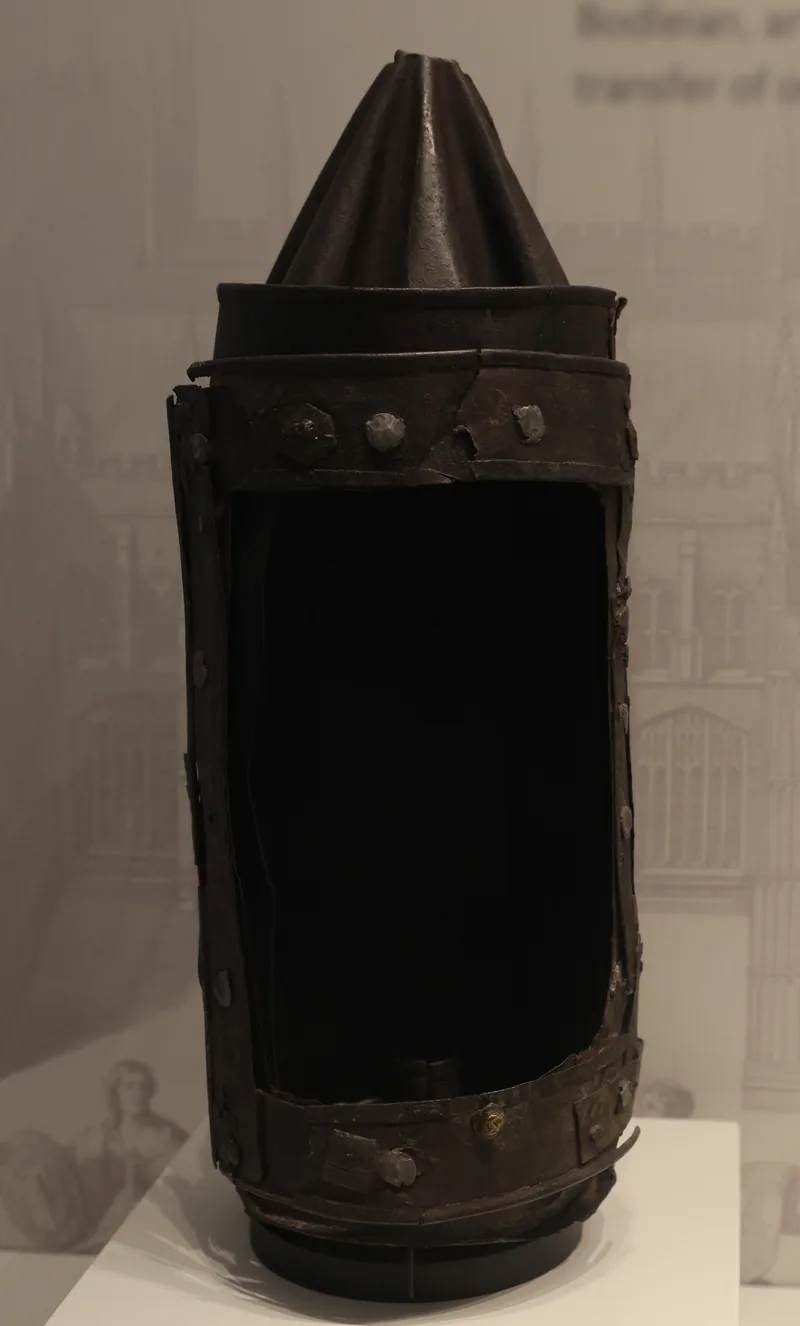
A lantern at the Ashmolean is only “reported to be” his
The Commons file used on this site keeps that careful wording, and so does the caption. [source]
Some famous bonfire photographs were taken on the 4th, not the 5th
The Camberwell fire is 4 November 2007; Alexandra Palace is 4 November 2017. The captions say so. [source]
Keep exploring
Enjoyed Bonfire Night?
No pop-ups. No intrusive advertising. Just interesting stuff. A little support helps the next traditions site get built.